top of page
Ingredients

Holiday Baking Tips Made Simple: The Science of Better Cookies (Even If You’re Not a Baker)

Loading...

Loading...

Loading...

Loading...

Loading...

Loading...

ree

As of the writing of this piece, it's the holidays, and homes across the world are heading into the kitchen with family and friends to bake up the season’s best holiday cookies. But for the non-bakers among us (and there's lots of us, including me!), this can feel like a major feat, full of specific terms, precise steps, and the pressure of tradition. The good news is that baking is a bit of science mixed with a little flexibility, and a few key ideas can help everyone bake (or not bake!) something delicious. So, in the spirit of our cooking classes, let's focus on the method so you can be smarter in the kitchen!


Consider a no-bake dessert.

If turning on the oven already feels overwhelming, take a breath and remember that not all great holiday desserts require baking. No-bake treats like chocolate-covered bonbons, truffles, or layered dessert bars rely more on melting, mixing, and chilling than precise oven timing. These easy holiday desserts highlight texture and flavor rather than structure, making them forgiving, festive, and perfect for busy gatherings.

Main takeaway: If holiday baking feels stressful, no-bake desserts are a delicious, low-pressure way to participate.


Measuring ingredients matters more than you think.

Baking is edible chemistry, and ratios matter, especially when it comes to holiday cookies. Using a digital kitchen scale is one of the easiest ways to improve your baking because it removes guesswork, particularly with flour. Flour, as we say in our cooking classes, is very difficult to work with. Every flour is different, the temperature in your home is different, the humidity is different from a recipe writer, and flour easily compacts in measuring cups. Too much flour can lead to dry, dense, crumbly cookies (or really anything for that matter). Measuring ingredients by weight keeps dough balanced so fats, sugars, and liquids work together properly.

Main takeaway: Accurate measuring, especially using a digital scale, helps prevent dry, dense holiday cookies.


ree

The science behind butter vs. oil in a recipe.

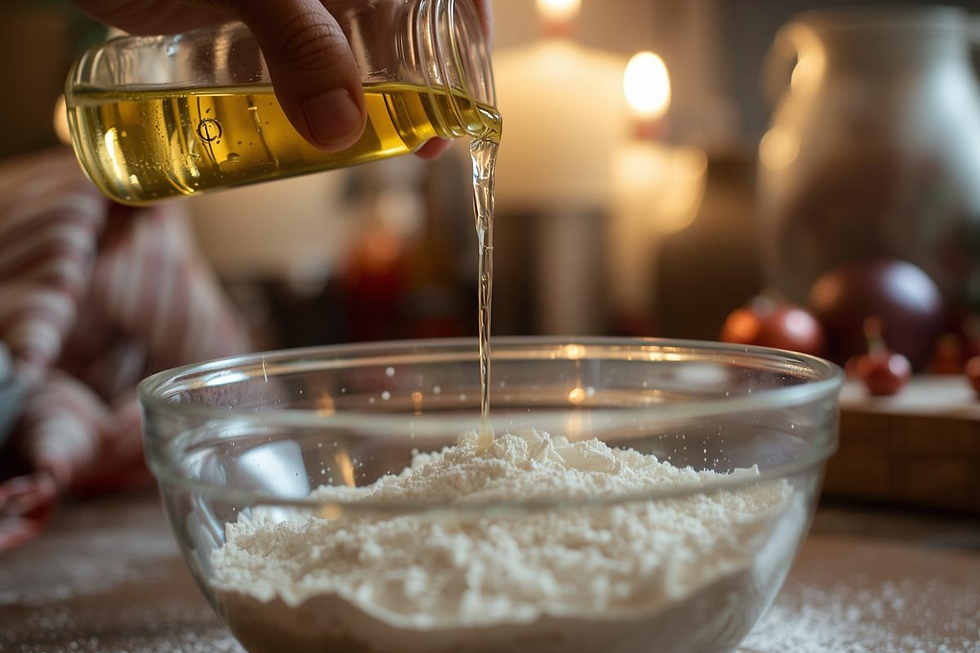
Butter and oil both add fat to baking recipes, but they behave very differently. Oil stays liquid at room temperature and creates moist, chewy cookies, but with less structure because it can’t trap air like butter.


Butter is solid when cold and melts as it heats. Room-temperature butter is ideal for creaming with sugar to trap air and create light, tender cookies. Cold butter is better for flaky textures where steam pockets matter. What about salted vs. unsalted butter? In baking, generally it's advised to use unsalted butter, which gives you more control over seasoning. But salted butter works of course, but you should consider adjusting the salt.


Main takeaway: Butter builds flavor and structure, while oil adds moisture and chew—choose based on the cookie texture you want.


What eggs actually do in baking.

Eggs are essential to cookie baking because they play multiple roles at once. Egg proteins set as they heat, helping cookies hold their shape, while yolks add fat that creates tenderness and richness. Eggs also act as emulsifiers, allowing fats and liquids to blend smoothly for even baking. Using room-temperature eggs helps them incorporate more evenly into cookie dough, improving texture and consistency.

Main takeaway: Eggs provide structure, moisture, and richness, making them key to balanced holiday baking.


The science around liquid in a recipe.

Liquids like milk, water, juice, or even coffee hydrate dry ingredients and activate starches and gluten. Too much liquid can cause cookies to spread too thin, while too little can make them crumbly or dry. When substituting liquids, be careful. Let's say you decide to use dairy-free milk or citrus juice instead of what the recipe calls for... it’s important to consider flavor, sugar content, and acidity, all of which affect browning and texture. It's not to say you can't do this, but changing a liquid will change the result. And remember, always add liquids gradually. This helps maintain control over your dough.

Main takeaway: Liquids impact spread, texture, and flavor, so careful amounts and smart substitutions matter.


Chilling dough: when it helps and when it doesn’t.

Chilling cookie dough solidifies fats, which slows spreading in the oven and often results in thicker cookies with better texture and deeper flavor. It’s especially helpful for classic holiday cookies like chocolate chip, sugar cookies, and cut-out cookies that need to hold their shape. Doughs made with oil, melted butter, or very low moisture won’t benefit as much from chilling, making it optional in those cases.

Main takeaway: Chill cookie dough when structure and shape matter, but skip it when the recipe already stays stable.

ree

Oven temperature matters more than you think.

Oven temperature plays a huge role in how holiday cookies bake. A too-hot oven can brown cookies before the centers set, while a cooler oven can cause excessive spreading and pale results. Many home ovens run hotter or cooler than expected, so using an inexpensive oven thermometer that you simply hang from an oven grate can dramatically improve consistency. It's an inexpensive gadget that actually makes a really big impact. We suggest investing in one to understand the real temperature your oven runs at. And finally, preheating your oven is just as important. Cookies need the right heat from the moment they go in.

Main takeaway: A fully preheated, accurately calibrated oven helps cookies bake evenly every time.


One more secret: don’t overmix the dough.

Overmixing is one of the most common holiday baking mistakes. Once flour is added, excessive mixing develops gluten, which is great for bread but makes cookies tough and dense. Mixing just until the ingredients come together keeps cookies tender, soft, and evenly baked. A few streaks of flour are fine and will disappear as the dough rests.

Main takeaway: Gentle mixing keeps holiday cookies tender—not tough.


With a little science and a lot of flexibility, holiday baking becomes less intimidating and far more enjoyable. Whether you’re baking from scratch or assembling a no-bake treat, these holiday baking tips will help you share something sweet—and stress-free—this season.


two woman laughing and cooking with a chef joining them on a computer live from italy for an italian cooking class

ABOUT THE CHEF & THE DISH

The Chef & The Dish has chefs around the world that you video conference into your kitchen for a private 1:1 virtual cooking class. Learn how to make pasta with a chef video calling you live from Italy, Pad Thai with a chef virtually in your kitchen live from Thailand. Together you cook, share stories, laugh and make a multi course meal together. Rated 'Best Date Night,' 'Best Gifts,' and "Best Cooking Classes" by WSJ, Forbes, Vanity Fair, Martha Stewart, Rolling Stone and tens more. Transport your kitchen for the day.™

www.thechefandthedish.com 


POPULAR ARTICLES

Holiday Baking Tips Made Simple: The Science of Better Cookies (Even If You’re Not a Baker)

Italian Cuisine Added to UNESCO Intangible Cultural Heritage: Why This 2025 Decision Matters

The Best Homemade Shrimp Cocktail: An Easy DIY Party Appetizer and Better Than the Grocery Store Ring

POPULAR CLASSES

Empanadas Three Ways

A Pappardelle Adventure

Massaman Curry & Pad Thai

POPULAR CATEGORIES
Recipes
Ingredients
Gift Guides
Travel Guides
Food News
FOLLOW US

Holiday Baking Tips Made Simple: The Science of Better Cookies (Even If You’re Not a Baker)

  • Writer: The Chef & The Dish
    The Chef & The Dish
  • 3 days ago
  • 5 min read
ree

As of the writing of this piece, it's the holidays, and homes across the world are heading into the kitchen with family and friends to bake up the season’s best holiday cookies. But for the non-bakers among us (and there's lots of us, including me!), this can feel like a major feat, full of specific terms, precise steps, and the pressure of tradition. The good news is that baking is a bit of science mixed with a little flexibility, and a few key ideas can help everyone bake (or not bake!) something delicious. So, in the spirit of our cooking classes, let's focus on the method so you can be smarter in the kitchen!


Consider a no-bake dessert.

If turning on the oven already feels overwhelming, take a breath and remember that not all great holiday desserts require baking. No-bake treats like chocolate-covered bonbons, truffles, or layered dessert bars rely more on melting, mixing, and chilling than precise oven timing. These easy holiday desserts highlight texture and flavor rather than structure, making them forgiving, festive, and perfect for busy gatherings.

Main takeaway: If holiday baking feels stressful, no-bake desserts are a delicious, low-pressure way to participate.


Measuring ingredients matters more than you think.

Baking is edible chemistry, and ratios matter, especially when it comes to holiday cookies. Using a digital kitchen scale is one of the easiest ways to improve your baking because it removes guesswork, particularly with flour. Flour, as we say in our cooking classes, is very difficult to work with. Every flour is different, the temperature in your home is different, the humidity is different from a recipe writer, and flour easily compacts in measuring cups. Too much flour can lead to dry, dense, crumbly cookies (or really anything for that matter). Measuring ingredients by weight keeps dough balanced so fats, sugars, and liquids work together properly.

Main takeaway: Accurate measuring, especially using a digital scale, helps prevent dry, dense holiday cookies.


ree

The science behind butter vs. oil in a recipe.

Butter and oil both add fat to baking recipes, but they behave very differently. Oil stays liquid at room temperature and creates moist, chewy cookies, but with less structure because it can’t trap air like butter.


Butter is solid when cold and melts as it heats. Room-temperature butter is ideal for creaming with sugar to trap air and create light, tender cookies. Cold butter is better for flaky textures where steam pockets matter. What about salted vs. unsalted butter? In baking, generally it's advised to use unsalted butter, which gives you more control over seasoning. But salted butter works of course, but you should consider adjusting the salt.


Main takeaway: Butter builds flavor and structure, while oil adds moisture and chew—choose based on the cookie texture you want.


What eggs actually do in baking.

Eggs are essential to cookie baking because they play multiple roles at once. Egg proteins set as they heat, helping cookies hold their shape, while yolks add fat that creates tenderness and richness. Eggs also act as emulsifiers, allowing fats and liquids to blend smoothly for even baking. Using room-temperature eggs helps them incorporate more evenly into cookie dough, improving texture and consistency.

Main takeaway: Eggs provide structure, moisture, and richness, making them key to balanced holiday baking.


The science around liquid in a recipe.

Liquids like milk, water, juice, or even coffee hydrate dry ingredients and activate starches and gluten. Too much liquid can cause cookies to spread too thin, while too little can make them crumbly or dry. When substituting liquids, be careful. Let's say you decide to use dairy-free milk or citrus juice instead of what the recipe calls for... it’s important to consider flavor, sugar content, and acidity, all of which affect browning and texture. It's not to say you can't do this, but changing a liquid will change the result. And remember, always add liquids gradually. This helps maintain control over your dough.

Main takeaway: Liquids impact spread, texture, and flavor, so careful amounts and smart substitutions matter.


Chilling dough: when it helps and when it doesn’t.

Chilling cookie dough solidifies fats, which slows spreading in the oven and often results in thicker cookies with better texture and deeper flavor. It’s especially helpful for classic holiday cookies like chocolate chip, sugar cookies, and cut-out cookies that need to hold their shape. Doughs made with oil, melted butter, or very low moisture won’t benefit as much from chilling, making it optional in those cases.

Main takeaway: Chill cookie dough when structure and shape matter, but skip it when the recipe already stays stable.


ree

Oven temperature matters more than you think.

Oven temperature plays a huge role in how holiday cookies bake. A too-hot oven can brown cookies before the centers set, while a cooler oven can cause excessive spreading and pale results. Many home ovens run hotter or cooler than expected, so using an inexpensive oven thermometer that you simply hang from an oven grate can dramatically improve consistency. It's an inexpensive gadget that actually makes a really big impact. We suggest investing in one to understand the real temperature your oven runs at. And finally, preheating your oven is just as important. Cookies need the right heat from the moment they go in.

Main takeaway: A fully preheated, accurately calibrated oven helps cookies bake evenly every time.


One more secret: don’t overmix the dough.

Overmixing is one of the most common holiday baking mistakes. Once flour is added, excessive mixing develops gluten, which is great for bread but makes cookies tough and dense. Mixing just until the ingredients come together keeps cookies tender, soft, and evenly baked. A few streaks of flour are fine and will disappear as the dough rests.

Main takeaway: Gentle mixing keeps holiday cookies tender—not tough.


With a little science and a lot of flexibility, holiday baking becomes less intimidating and far more enjoyable. Whether you’re baking from scratch or assembling a no-bake treat, these holiday baking tips will help you share something sweet—and stress-free—this season.


two woman laughing and cooking with a chef joining them on a computer live from italy for an italian cooking class

ABOUT THE CHEF & THE DISH

The Chef & The Dish has chefs around the world that you video conference into your kitchen for a private 1:1 virtual cooking class. Learn how to make pasta with a chef video calling you live from Italy, Pad Thai with a chef virtually in your kitchen live from Thailand. Together you cook, share stories, laugh and make a multi course meal together. Rated 'Best Date Night,' 'Best Gifts,' and "Best Cooking Classes" by WSJ, Forbes, Vanity Fair, Martha Stewart, Rolling Stone and tens more. Transport your kitchen for the day.™


Comments


Join Our Community of Foodies

Transport Your Kitchen for the Day.™

Join Our Community of Foodies

Transport Your Kitchen for the Day.™

bottom of page