top of page
Recipes

How to Make Red Wine Vinegar at Home (Easy Step-by-Step Recipe)
Loading...

Loading...

Loading...

Loading...

Loading...

Loading...

ree

We are huge fans of fermentation projects. If you’re looking for a simple, sustainable kitchen project, learning how to make red wine vinegar at home is one of the most rewarding things you can do. It’s easy, affordable, great for reducing waste, and bonus, creates a deeply flavorful vinegar that tastes better than most store-bought versions. Whether you're hosting dinner parties, enjoying cozy evenings with friends, or simply ending up with that occasional half-finished bottle, this DIY recipe is the perfect way to give leftover wine a delicious new life.


Learn how to turn leftover wine into delicious homemade red wine vinegar with this simple guide.


Why Make Homemade Red Wine Vinegar?

Searching for reasons to make your own red wine vinegar instead of buying it? Here are the top benefits:


It reduces kitchen waste

Homemade vinegar is one of the best ways to use leftover wine that would otherwise be tossed.


Better flavor than store-bought vinegar

Fresh, naturally fermented vinegar has a smoother, richer taste—and you can customize it depending on the wine you use.


It’s budget-friendly

Instead of spending $8–$15 on a gourmet vinegar, you can make your own for pennies using wine you already have that may have gone to waste.


A fun and satisfying kitchen project

Watching wine slowly transform into tangy, vibrant vinegar feels like magic. It’s slow food at its best.


Completely customizable

Use bold reds for deeper flavor, blend wines, experiment with aging, adding herbs like thyme or rosemary, or save the vinegar mother to build a long-term vinegar “culture.”


Is Red Wine Vinegar Good for You?

Many people also search for “Is vinegar healthy?” and for good reason. Vinegar is well studied, and while it’s not a miracle cure, it offers several science-backed benefits when consumed as part of a balanced diet.


Research-Supported Health Benefits of Vinegar

  • Supports healthy blood sugar levels: Acetic acid can help reduce post-meal blood sugar spikes when eaten with carbohydrate-rich foods.

  • May improve insulin sensitivity: Some studies suggest vinegar can help the body respond better to insulin during meals.

  • Promotes fullness and satiety: Vinegar may help you feel more satisfied after eating, which can support healthy eating habits.

  • Natural antimicrobial properties: Vinegar has long been used to preserve food thanks to its ability to inhibit harmful microbes.

  • Contains beneficial organic acids: These can support flavor, digestion, and overall gut-friendly meals.

ree

How to Make Red Wine Vinegar at Home

This easy recipe requires only a few ingredients and makes a vibrant, tangy vinegar perfect for dressings, marinades, and everyday cooking.


Ingredients

  • 2–3 cups red wine (any leftover wine works)

  • 1 cup filtered water

  • ¼ cup raw, unpasteurized apple cider vinegar with "the mother"

  • Wide-mouth jar or fermentation crock

  • Cheesecloth or clean kitchen towel

  • Rubber band


Step-by-Step Instructions: Homemade Red Wine Vinegar

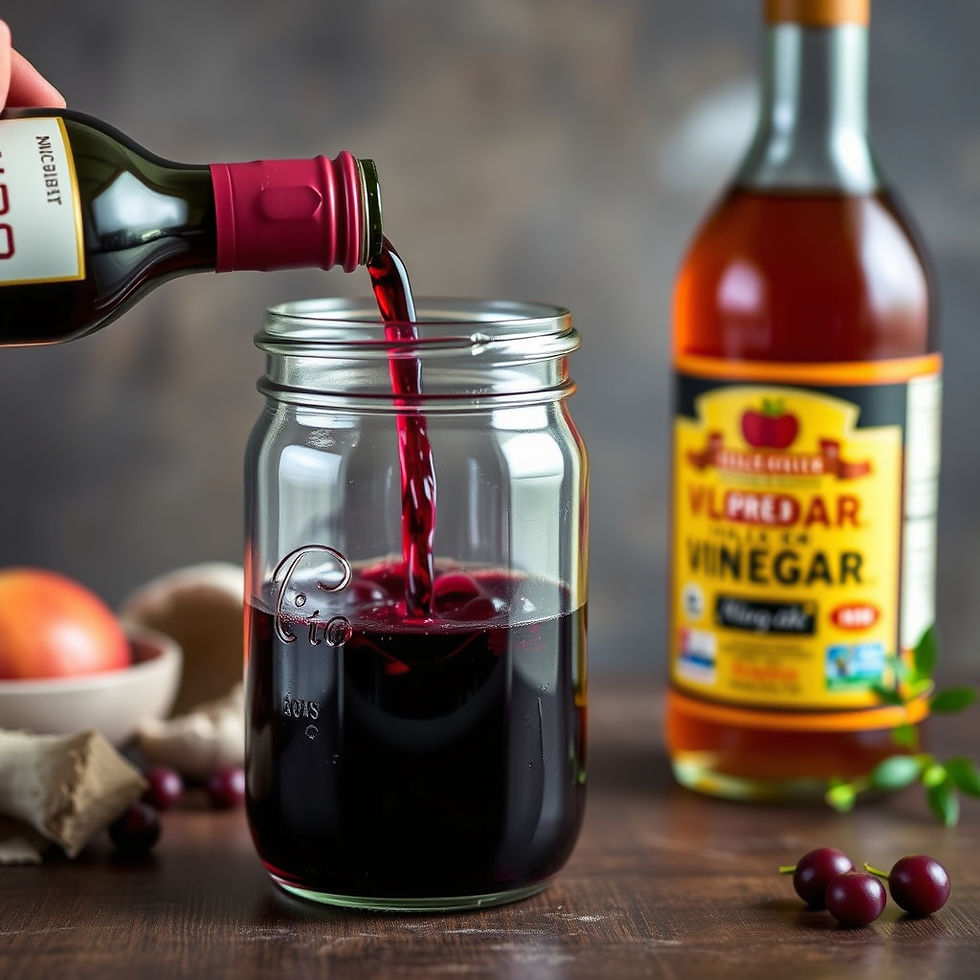
Step 1: Dilute the wine

Mix the wine with water. This lowers the alcohol level, which helps the acetic acid bacteria thrive.

Step 2: Add the starter

Pour in raw vinegar or place your vinegar mother into the jar. This introduces the live bacteria needed for fermentation.

Step 3: Cover and secure

Cover the jar with cheesecloth and secure with a rubber band. The mixture needs airflow, so don’t use a lid.

Step 4: Ferment in a warm, dark place

Store the jar in a pantry or cupboard at 70–80°F (21–27°C).Fermentation usually takes 3–6 weeks.

Step 5: Taste for readiness

Start tasting after 3 weeks. When the mixture is bright, tangy, and smells like vinegar, it’s ready.

Step 6: Strain and bottle

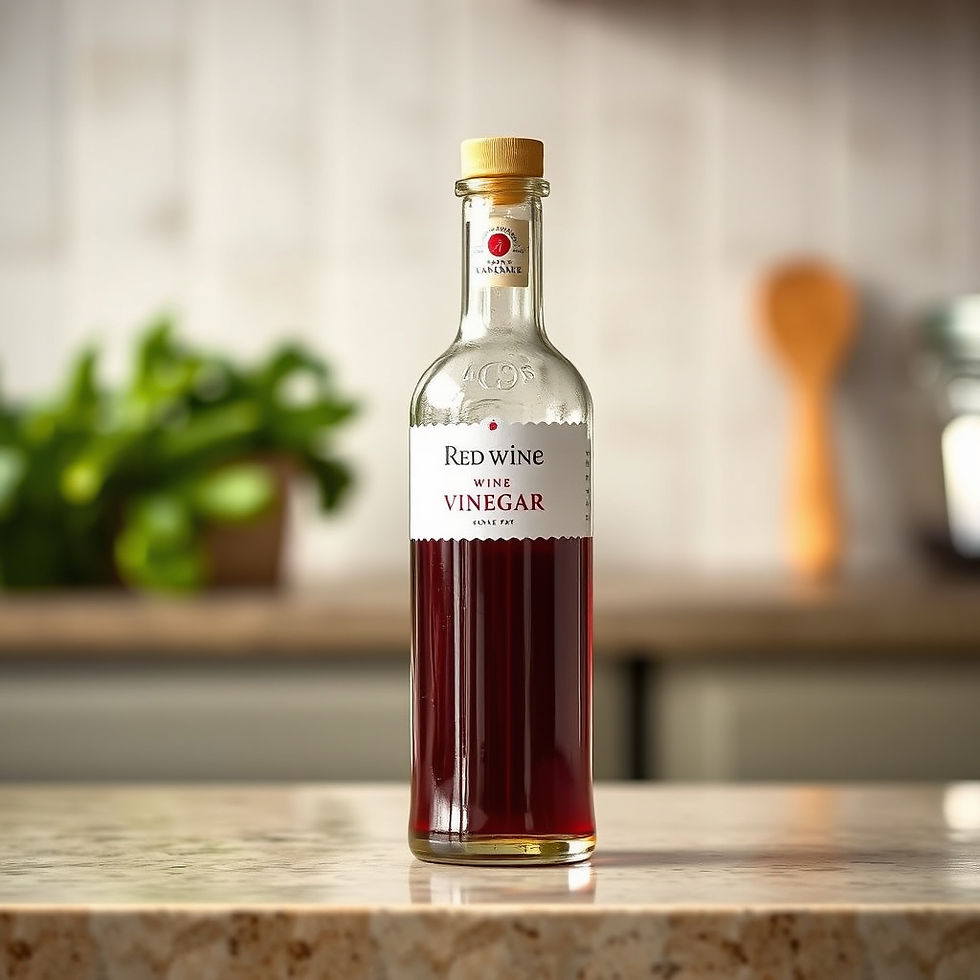
Remove the vinegar mother (save it for the next batch), strain the vinegar, and transfer it to a clean glass bottle.

Step 7: Optional aging

For an even smoother, rounder flavor, let your vinegar age for 1–3 months in a sealed bottle.


How to Use Homemade Red Wine Vinegar

Your freshly brewed vinegar is incredibly versatile. Try it in:

  • Vinaigrettes and salad dressings

  • Marinades for chicken, steak, or vegetables

  • Quick pickles

  • Grain bowls and pasta salads

  • Soups, stews, and braises to add brightness

  • Pan sauces

  • Roasted vegetables

A splash of homemade vinegar adds life and flavor to almost any dish.


Expert Tips for the Best Red Wine Vinegar

  • Avoid wines that are heavily oaked or artificially flavored.

  • If the vinegar smells off (like rotten eggs), discard it and start over.

  • Save your vinegar mother to start future batches—it gets stronger over time.

  • For the most aromatic vinegar, use wines with good fruit and acidity.


Learning how to make red wine vinegar at home is one of the easiest, most satisfying ways to elevate your cooking. It saves money, reduces waste, supports sustainability, and creates a delicious product with depth and character. Once you try homemade vinegar, you may never go back.


ABOUT THE CHEF & THE DISH

The Chef & The Dish has chefs around the world that you video conference into your kitchen for a private 1:1 virtual cooking class. Learn how to make pasta with a chef video calling you live from Italy, Pad Thai with a chef virtually in your kitchen live from Thailand. Together you cook, share stories, laugh and make a multi course meal together. Rated 'Best Date Night,' 'Best Gifts,' and "Best Cooking Classes" by WSJ, Forbes, Vanity Fair, Martha Stewart, Rolling Stone and tens more. Transport your kitchen for the day.™

www.thechefandthedish.com 

POPULAR ARTICLES

48 Kitchen Activities for 2026 | Seasonal Cooking Projects & Skills

Holiday Baking Tips Made Simple: The Science of Better Cookies (Even If You’re Not a Baker)

Italian Cuisine Added to UNESCO Intangible Cultural Heritage: Why This 2025 Decision Matters

POPULAR CLASSES

Empanadas Three Ways

A Pappardelle Adventure

Massaman Curry & Pad Thai

POPULAR CATEGORIES
Recipes
Ingredients
Gift Guides
Travel Guides
Food News
FOLLOW US

How to Make Red Wine Vinegar at Home (Easy Step-by-Step Recipe)

  • Writer: The Chef & The Dish
    The Chef & The Dish
  • Dec 28, 2025
  • 4 min read
ree

We are huge fans of fermentation projects. If you’re looking for a simple, sustainable kitchen project, learning how to make red wine vinegar at home is one of the most rewarding things you can do. It’s easy, affordable, great for reducing waste, and bonus, creates a deeply flavorful vinegar that tastes better than most store-bought versions. Whether you're hosting dinner parties, enjoying cozy evenings with friends, or simply ending up with that occasional half-finished bottle, this DIY recipe is the perfect way to give leftover wine a delicious new life.


Learn how to turn leftover wine into delicious homemade red wine vinegar with this simple guide.


Why Make Homemade Red Wine Vinegar?

Searching for reasons to make your own red wine vinegar instead of buying it? Here are the top benefits:


It reduces kitchen waste

Homemade vinegar is one of the best ways to use leftover wine that would otherwise be tossed.


Better flavor than store-bought vinegar

Fresh, naturally fermented vinegar has a smoother, richer taste—and you can customize it depending on the wine you use.


It’s budget-friendly

Instead of spending $8–$15 on a gourmet vinegar, you can make your own for pennies using wine you already have that may have gone to waste.


A fun and satisfying kitchen project

Watching wine slowly transform into tangy, vibrant vinegar feels like magic. It’s slow food at its best.


Completely customizable

Use bold reds for deeper flavor, blend wines, experiment with aging, adding herbs like thyme or rosemary, or save the vinegar mother to build a long-term vinegar “culture.”


Is Red Wine Vinegar Good for You?

Many people also search for “Is vinegar healthy?” and for good reason. Vinegar is well studied, and while it’s not a miracle cure, it offers several science-backed benefits when consumed as part of a balanced diet.


Research-Supported Health Benefits of Vinegar

  • Supports healthy blood sugar levels: Acetic acid can help reduce post-meal blood sugar spikes when eaten with carbohydrate-rich foods.

  • May improve insulin sensitivity: Some studies suggest vinegar can help the body respond better to insulin during meals.

  • Promotes fullness and satiety: Vinegar may help you feel more satisfied after eating, which can support healthy eating habits.

  • Natural antimicrobial properties: Vinegar has long been used to preserve food thanks to its ability to inhibit harmful microbes.

  • Contains beneficial organic acids: These can support flavor, digestion, and overall gut-friendly meals.

ree

How to Make Red Wine Vinegar at Home

This easy recipe requires only a few ingredients and makes a vibrant, tangy vinegar perfect for dressings, marinades, and everyday cooking.


Ingredients

  • 2–3 cups red wine (any leftover wine works)

  • 1 cup filtered water

  • ¼ cup raw, unpasteurized apple cider vinegar with "the mother"

  • Wide-mouth jar or fermentation crock

  • Cheesecloth or clean kitchen towel

  • Rubber band


Step-by-Step Instructions: Homemade Red Wine Vinegar

Step 1: Dilute the wine

Mix the wine with water. This lowers the alcohol level, which helps the acetic acid bacteria thrive.

Step 2: Add the starter

Pour in raw vinegar or place your vinegar mother into the jar. This introduces the live bacteria needed for fermentation.

Step 3: Cover and secure

Cover the jar with cheesecloth and secure with a rubber band. The mixture needs airflow, so don’t use a lid.

Step 4: Ferment in a warm, dark place

Store the jar in a pantry or cupboard at 70–80°F (21–27°C).Fermentation usually takes 3–6 weeks.

Step 5: Taste for readiness

Start tasting after 3 weeks. When the mixture is bright, tangy, and smells like vinegar, it’s ready.

Step 6: Strain and bottle

Remove the vinegar mother (save it for the next batch), strain the vinegar, and transfer it to a clean glass bottle.

Step 7: Optional aging

For an even smoother, rounder flavor, let your vinegar age for 1–3 months in a sealed bottle.


How to Use Homemade Red Wine Vinegar

Your freshly brewed vinegar is incredibly versatile. Try it in:

  • Vinaigrettes and salad dressings

  • Marinades for chicken, steak, or vegetables

  • Quick pickles

  • Grain bowls and pasta salads

  • Soups, stews, and braises to add brightness

  • Pan sauces

  • Roasted vegetables

A splash of homemade vinegar adds life and flavor to almost any dish.


Expert Tips for the Best Red Wine Vinegar

  • Avoid wines that are heavily oaked or artificially flavored.

  • If the vinegar smells off (like rotten eggs), discard it and start over.

  • Save your vinegar mother to start future batches—it gets stronger over time.

  • For the most aromatic vinegar, use wines with good fruit and acidity.


Learning how to make red wine vinegar at home is one of the easiest, most satisfying ways to elevate your cooking. It saves money, reduces waste, supports sustainability, and creates a delicious product with depth and character. Once you try homemade vinegar, you may never go back.


ABOUT THE CHEF & THE DISH

The Chef & The Dish has chefs around the world that you video conference into your kitchen for a private 1:1 virtual cooking class. Learn how to make pasta with a chef video calling you live from Italy, Pad Thai with a chef virtually in your kitchen live from Thailand. Together you cook, share stories, laugh and make a multi course meal together. Rated 'Best Date Night,' 'Best Gifts,' and "Best Cooking Classes" by WSJ, Forbes, Vanity Fair, Martha Stewart, Rolling Stone and tens more. Transport your kitchen for the day.™

Comments


Join Our Community of Foodies

Transport Your Kitchen for the Day.™

Join Our Community of Foodies

Transport Your Kitchen for the Day.™

bottom of page